
A TikTok video can collect views without bringing the right audience to your profile. If your goal is useful reach, start with the question the video answers, then check what viewers do after they arrive. This guide explains how to review your own posts and run a practical improvement test without treating one view count as a verdict on your account.
Start with the goal behind the views
Choose one outcome before comparing videos: helping new viewers understand a topic, attracting profile visits, answering a customer question, or encouraging a relevant conversation. A tutorial and a short joke serve different purposes. Comparing their raw totals alone can lead you to copy the wrong format.
For example, a small shop might prefer a demonstration that produces five specific product questions over a broadly entertaining clip with no interest in the product. That is an editorial decision about usefulness, not a claim about TikTok’s ranking formula.
Where to check your TikTok analytics
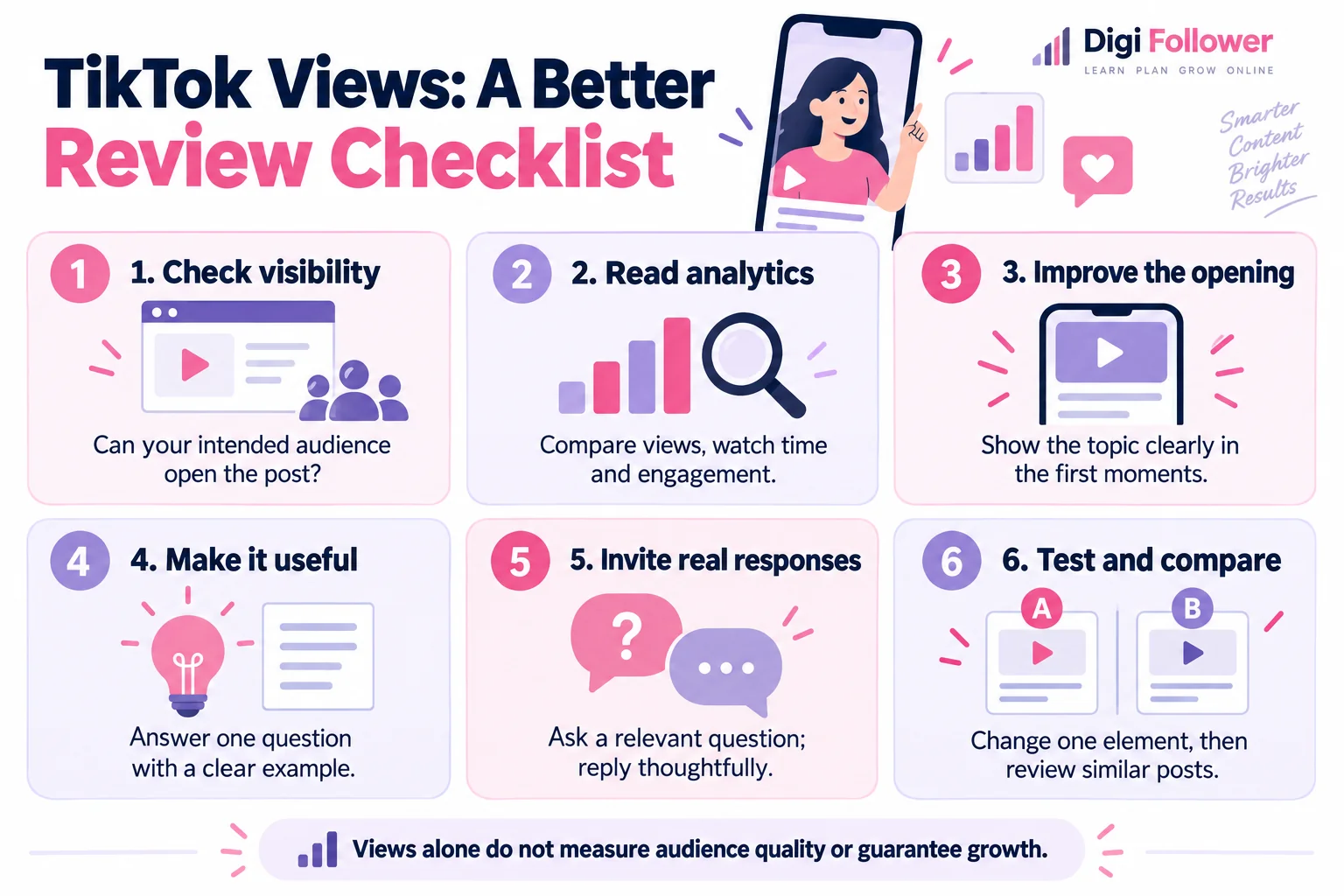
In the TikTok app, open Profile → Menu ☰ → TikTok Studio, then open the analytics tools available to your account. On a computer, sign in to TikTok Studio to review content and audience information. Features can differ between the app and browser, and some analytics require activation. TikTok documents these tools in its official creator tools guide.
Record the date, video topic, length, opening line, views, and the engagement or audience metrics actually shown in your dashboard. Leave unavailable fields blank. Do not substitute a guessed number or compare a newly published post with one that has had weeks to accumulate attention.
Read the pattern before changing the content
TikTok describes recommendations as a combination of user interactions, content information, and user information. Watching or skipping, sharing, liking, and commenting can contribute; watch time is often weighted more heavily than some other factors. There is no single public formula that turns a certain number of likes into guaranteed reach. See how TikTok recommends content.
Use these observations as prompts for a test, rather than diagnoses:
- People arrive but do not seem interested: make the first sentence match the result the video delivers. Remove a long introduction.
- The same question appears repeatedly: move the missing answer earlier, or make a focused follow-up.
- One topic consistently brings useful responses: explore a different question within that topic instead of reposting the same clip.
- A larger audience produces little relevant activity: review whether the video attracted people who need your subject.
A simple seven-day content experiment
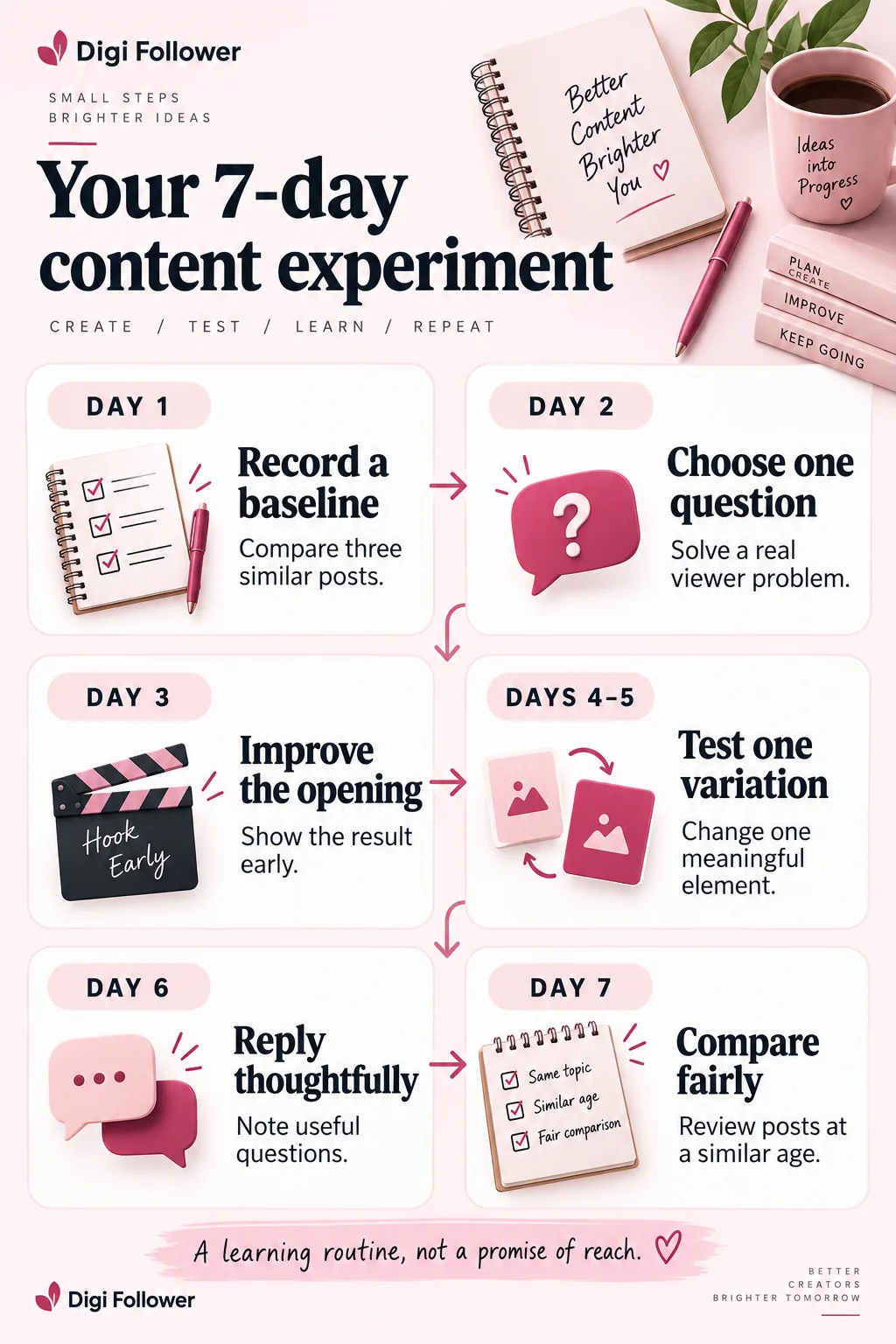
This is a suggested working routine, not a platform requirement or a promise of results.
- Day 1: establish a baseline. Pick three recent, comparable posts and record their results at a similar age.
- Day 2: choose one problem. Read viewer questions and write a single-sentence answer your next video will demonstrate.
- Day 3: improve the opening. Show the result or state the precise question immediately. Keep the promised answer in the video.
- Days 4–5: publish a related variation. Change one meaningful element, such as the example or opening, so the comparison remains understandable.
- Day 6: reply thoughtfully. Answer relevant questions and note confusing wording. Do not manufacture a conversation.
- Day 7: compare fairly. Review posts at a similar age, document what you learned, and choose the next question to answer.
For a cooking account, the test might compare “three lunch ideas” with “one lunch you can pack in five minutes.” Keep the audience and subject similar, then evaluate which version prompted useful saves, questions, or other available signals. Two posts are a learning exercise, not proof of a universal rule.
Keep service delivery separate from organic performance
If you are reviewing a TikTok views trial, read its current conditions and record it separately in your notes. A delivered view count does not establish that viewers watched attentively, became customers, or that future videos will receive organic recommendations.
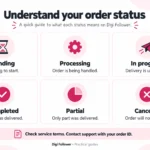
For an existing order, check the selected service, submitted link, and order record. Our order status guide explains delivery statuses; those statuses are different from TikTok analytics.
Frequently asked questions
Do low views prove that my account is restricted?
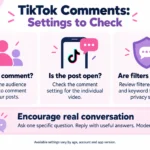
No. A low count alone cannot establish the cause. Check the account and post notices TikTok actually shows, confirm the intended audience settings, and compare several relevant posts before drawing a conclusion.
Is there a guaranteed number of hashtags or a perfect posting time?
This guide does not promise either. Choose accurate wording and relevant topics, then use your own audience information and comparable tests to decide what to repeat.
Should I delete every video that underperforms?
Do not make deletion your first diagnostic step. Record what happened and consider whether the video still answers a useful question. Remove or correct material when it is inaccurate or no longer appropriate.
What should I measure if my account is small?
Start with a manageable record of topic, opening, views, and genuine viewer questions. Consistent notes are more useful than an elaborate spreadsheet filled with unavailable metrics.